




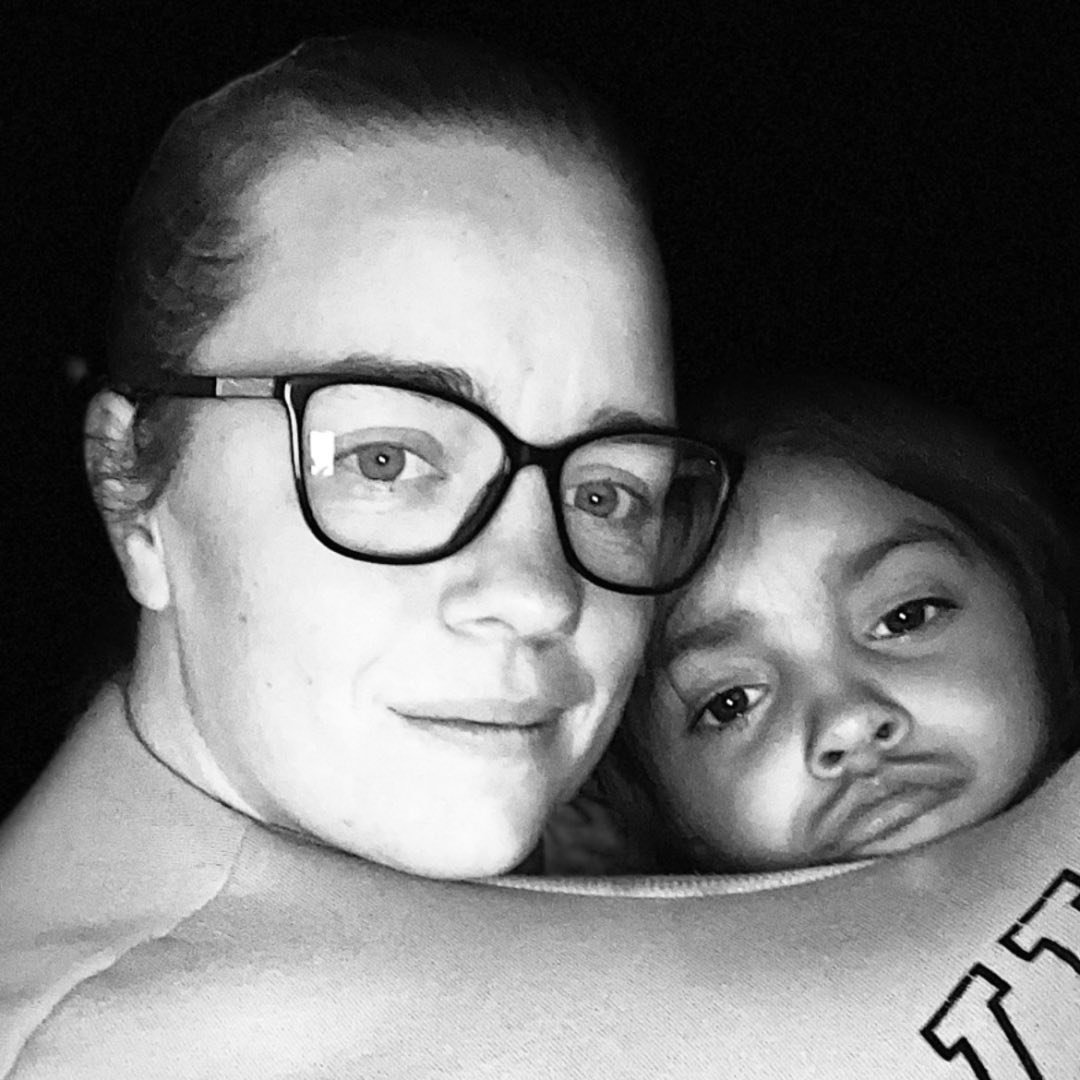








It’s 20 minutes before dance class.
The dance bag is packed. The shoes are ready. You’ve planned dinner around the evening schedule. Then you hear those familiar words:
“I don’t wanna go to dance!”
Suddenly, you’re questioning everything.
Should I make them go? Does this mean they don’t like dance anymore? Am I pushing too hard? Should we just stay home tonight?
If you’re a parent with a child enrolled in dance classes-or almost any extracurricular activity-you’ll probably encounter this moment eventually.
At Dance Arts Academy in Meridian, Idaho, we believe dance is about so much more than learning steps. Navigating moments like these can actually be part of the learning experience.
Because not wanting to go today doesn’t necessarily mean your child doesn’t want to dance.
Why Kids Sometimes Don’t Want to Go to Dance Class
Think about how you feel when it’s time to go to the gym after a long day.
You know you’ll probably feel better afterward. You chose to go. You might even enjoy exercising.
But at that particular moment?
The couch sounds pretty great.
Kids experience the same thing.
They may be tired after school. They might not want to stop playing. Getting dressed feels like work. They’re hungry. They’re comfortable at home. Or they simply don’t feel like doing another thing.
One of the valuable lessons children can learn through activities like dance is:
We don’t have to feel motivated before we get started.
“I Don’t Want to Go” Isn’t Always the Same as “I Don’t Like Dance”
Before immediately deciding your child can stay home-or insisting they get in the car-it helps to get curious.
Try asking:
“What is making you not want to go today?”
Then listen to the answer.
“I’m tired” is different from “Someone in class is being mean to me.”
“I want to keep playing” is different from “I’m scared to go to class.”
“I don’t want to get dressed” is different from “I feel like I can never do anything right.”
If your child is consistently unhappy, anxious, experiencing pain, having trouble with another student, or expressing concerns about their classroom environment, those feelings deserve attention.
But sometimes the answer really is:
“I just don’t feel like going.”
And that’s an opportunity to practice something important.
Dance Teaches Kids to Do Things Even When They Don’t Feel Like It
Here’s a scenario dance parents know well.
Your child doesn’t want to go.
You encourage them to get dressed anyway.
They reluctantly get in the car.
They walk into the studio.
Then class ends.
Suddenly, they come running out smiling, talking about their friends, showing you a new dance step, or telling you something funny their teacher said.
What happened?
Often, getting started was the hardest part.
Children are learning that their feelings are real and important-but their feelings don’t always have to make their decisions for them.
They can learn to say:
“I don’t feel like going today AND I can still go.”
That’s a powerful life skill.
The Benefits of Dance Classes Go Far Beyond Dance
Parents looking for kids dance classes in Meridian may initially be thinking about ballet, tap, jazz, hip hop, acro, or simply finding a fun activity for their child.
But dance education offers opportunities to develop skills that reach far beyond the studio.
Resilience
Sometimes something feels difficult before it becomes fun.
A new step may be frustrating. A new class may feel intimidating. A child might not know anyone yet.
By continuing to show up, children discover that uncomfortable feelings don’t necessarily last forever.
Commitment
Being part of a dance class means being part of a group.
Teachers plan lessons. Classmates learn choreography together. Everyone’s participation matters.
Children begin to understand that making a commitment means showing up even when we’d occasionally rather stay home.
Self-Discipline
Motivation comes and goes.
Children who participate in consistent activities have opportunities to learn that sometimes we do something because we’ve decided it’s important-not because we happen to feel excited about it that particular day.
Confidence
Confidence doesn’t only come from being good at something.
It also comes from thinking:
“That was hard, and I did it.”
Every time a dancer works through frustration, tries something new, performs despite feeling nervous, or comes to class on a day when staying home sounded easier, they have another opportunity to build genuine confidence.
Emotional Regulation
Children can learn that uncomfortable feelings pass.
Being tired, nervous, frustrated, disappointed, or unmotivated doesn’t automatically mean we need to stop.
Sometimes we can acknowledge the feeling and keep going.
Delayed Gratification
Dance is full of skills that take time.
Turns don’t become perfect in one class. Flexibility doesn’t appear overnight. Ballet technique develops over years, not weeks.
The dancer who continues showing up eventually experiences the incredible feeling of mastering something that once seemed impossible.
Try the “Just Get Through the Door” Approach
When your child says, “I don’t want to go to dance,” you don’t necessarily need to convince them that they’re going to have the best class ever.
Instead, acknowledge how they feel.
Try:
“I hear you. You don’t feel like going today. We made a commitment to your class, so we’re going to get ready and give it a try.”
For younger children especially, break the process into smaller pieces.
Don’t talk about getting through an entire dance class.
First, put on the leotard.
Then grab the dance bag.
Then get into the car.
Then walk through the studio doors.
One small step at a time.
What If My Child Really Wants to Quit Dance?
There is an important difference between occasionally not wanting to attend dance class and consistently asking to quit.
One difficult Tuesday doesn’t necessarily require a major decision.
But if your child repeatedly says they don’t want to attend, have the conversation when everyone is calm-not five minutes before class.
Ask questions.
What don’t they like?
Is something difficult?
Are they overwhelmed?
Is there a social issue?
Would they enjoy a different style of dance?
Do they need some extra encouragement from their teacher?
Your child’s dance teacher can also be a valuable partner. At Dance Arts Academy, we want parents to communicate with us when a dancer is struggling so we can help determine what might be happening and how we can support them.
Sometimes a different class, teacher, style, or approach can make all the difference.
And sometimes a family ultimately decides that dance isn’t the right activity anymore. That’s okay too.
Even then, parents can teach the value of commitment by choosing an appropriate ending point rather than making the decision to quit during one difficult moment.
We’re Not Trying to Raise Kids Who Never Quit
The goal isn’t to teach children that they must continue every activity forever.
Instead, we want them to learn the difference between:
“This isn’t right for me.”
and
“This feels hard right now.”
Those are very different things.
We want children to know their feelings matter.
We also want them to discover that they can do difficult things, keep commitments, work through temporary discomfort, and experience the pride waiting on the other side.
So the next time your child says…
“I don’t wanna go to dance!”
…don’t panic.
Listen.
Ask questions.
Make sure there isn’t a bigger issue that needs your attention.
And sometimes, when everything really is okay, help them put on their dance shoes and walk through the door.
Because one of the greatest things a child can discover is:
“I didn’t feel like doing it. I did it anyway. And I’m really glad I did.”
That’s a lesson they can carry with them long after their dance shoes no longer fit.
Looking for Dance Classes in Meridian, Idaho?
At Dance Arts Academy, we’ve been helping children learn, grow, and discover the joy of dance since 1976. We believe dance education is about more than creating great dancers-it’s about helping children develop confidence, resilience, friendships, responsibility, and skills they can carry into every part of their lives.
We offer dance classes for kids in Meridian, Idaho, with options for different ages, experience levels, and interests, including ballet, tap, jazz, hip hop, lyrical, acro, and more.
Not sure which class is right for your child?
Come experience Dance Arts Academy for yourself!
👉 Book a trial class and let your child experience our studio before deciding which class is the best fit.
Already have a dancer enrolled with us? The next time you hear “I don’t wanna go!”, remember that walking through the studio door might be the most important lesson they learn that day.